



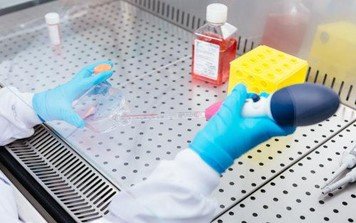
Cell culture is a foundational technique in biological research, drug discovery, and biotechnology. Ensuring high cell viability is essential for obtaining reliable results, whether you’re studying disease mechanisms, testing new drugs, or working with primary cells or stem cells. However, maintaining optimal conditions for cell health can be challenging. A variety of factors, from medium composition to environmental conditions, can influence cell viability.
In this blog, we’ll discuss key strategies and best practices to improve cell viability in culture, offering practical tips and tricks for researchers working with different cell types.
1. Optimize Culture Conditions
The first step in promoting cell viability is ensuring that the culture environment is as close to physiological conditions as possible.
- Temperature Control
- Ideal Temperature: Cells thrive at 37°C (for mammalian cells), with slight variations depending on the species or cell line.
- Monitor Incubator: Ensure that your incubator is calibrated regularly, and temperature fluctuations are minimized. Even small changes in temperature can stress cells and affect their viability.
- CO₂ and pH Control
- CO₂ Concentration: Most mammalian cells require a stable 5% CO₂ environment to maintain optimal pH in the medium. Be sure to monitor CO₂ levels regularly.
- pH of Medium: Use a pH indicator (like phenol red) in your culture medium to ensure the pH remains within the optimal range (7.2-7.4 for mammalian cells).
- Oxygen Levels
- In some cases, adjusting oxygen levels in the incubator can help improve cell viability. Hypoxia, or low oxygen, can promote the survival of specific cell types, such as stem cells or cancer cells.
- Hypoxic Chambers: For cells that require lower oxygen levels, consider using hypoxic incubators or chambers, which can maintain oxygen levels below 5%.
2. Use the Right Culture Medium
Cell culture media is more than just a growth vehicle—it plays a critical role in maintaining cell viability. The right formulation will provide the essential nutrients, vitamins, and growth factors needed for optimal cell function.
- Check Medium Composition
- Customizing Medium: Different cell lines and primary cells have unique nutritional needs. Always use the recommended medium for your specific cell type and modify it as needed.
- Serum Quality: The type and quality of serum (e.g., Fetal Bovine Serum) can significantly affect cell growth and viability. Ensure that your serum is fresh, properly stored, and from a reputable source.
- Supplementation: Some cell lines may require additional supplements like growth factors, hormones, or specific vitamins. Regularly check if your cells are showing signs of nutrient deficiencies and adjust the medium accordingly.
- Change Medium Regularly
- Avoid Nutrient Depletion: Over time, the medium can become depleted of essential nutrients, leading to poor cell viability. Routinely change the culture medium (every 2-3 days) or as required by your cell type.
- Minimize Contamination: Always work under sterile conditions to prevent microbial contamination, which can severely affect cell health.
3. Maintain Sterility
Cell culture contamination is one of the leading causes of poor cell viability. Bacterial, fungal, or viral contamination can quickly devastate cultures, reducing cell viability and potentially confounding experimental results.
- Work in a Laminar Flow Hood
- Sterile Technique: Always perform cell culture work in a laminar flow hood to minimize the risk of contamination. Ensure that the hood is regularly cleaned, and the filters are replaced according to the manufacturer’s instructions.
- Aseptic Handling: Sterilize all tools and reagents before use and avoid touching culture vessels with ungloved hands.
- Antibiotics and Antifungals
- While antibiotics and antifungals (e.g., penicillin/streptomycin, amphotericin B) are commonly used to prevent contamination, their overuse or misuse can sometimes impact cell health. Use them sparingly and avoid their prolonged presence in cultures unless necessary.
4. Avoid Overcrowding
Cell density plays a critical role in maintaining good cell health. Culturing cells at too high or too low a density can result in compromised viability.
- Cell Density Monitoring
- Subculture Timing: Overcrowding leads to nutrient depletion, poor waste removal, and reduced cell viability. Subculture cells regularly to prevent over-confluence. Cells should be passaged before they reach 80-90% confluence, as this is the point where nutrient depletion begins to affect cell health.
- Cell Counting: Use a hemocytometer or an automated cell counter to determine the appropriate number of cells to seed in a well or dish. Adhering to optimal cell density can promote healthy growth and division.
- Cell Growth Arrest
- In some experiments, like studying drug effects or stress responses, researchers might intentionally arrest cell growth. However, ensuring that the conditions (e.g., serum deprivation, contact inhibition) are controlled is crucial to avoid unwanted stress that could impact viability.
5. Minimize Mechanical Stress
Mechanical stress from over-trypsinization or improper handling can significantly affect cell health.
- Gentle Trypsinization
- Minimize Trypsin Exposure: Trypsin is commonly used to detach adherent cells from culture surfaces. However, excessive trypsin exposure can damage cell membranes and decrease cell viability. Always monitor the detachment process and stop trypsinization as soon as cells have detached.
- Use Gentle Pipetting: When resuspending or transferring cells, avoid vigorous pipetting, as this can lead to cell rupture. Gentle pipetting ensures better cell survival.
- Avoid Freeze-Thaw Cycles
- Repeated freeze-thaw cycles can induce cellular damage and reduce viability. If freezing cells, use cryoprotectants like DMSO or glycerol, and ensure that cells are frozen in small aliquots to avoid repeated freeze-thawing.
6. Control Subculturing and Passage Numbers
Excessive passage of cells can lead to genetic drift and decreased cell viability, particularly with immortalized cell lines.
- Limit Passaging
- Limit the number of passages to preserve the integrity of the cells. Some cell lines may show reduced viability or altered characteristics after prolonged subculturing.
- Use Low-Passage Cells: If possible, use cells that have been cultured for fewer passages. These cells are more likely to maintain normal physiology and exhibit better viability.
- Cryopreservation
- Long-Term Storage: Cryopreservation is an excellent strategy to store cells for future use without compromising their viability. Ensure proper freezing protocols are followed, including slow freezing (1°C per minute) and using cryoprotectants like DMSO to prevent ice crystal formation.
7. Implement Stress Management
Cells may encounter various stresses, including oxidative stress, that reduce their viability. Implementing strategies to minimize or repair damage caused by such stresses can help improve cell viability.
- Antioxidants and Nutrients
- Antioxidants like N-acetyl cysteine (NAC) can help neutralize reactive oxygen species (ROS) that cause oxidative stress. You can supplement the culture medium with antioxidants to improve cell viability.
- Glutamine and Pyruvate: These molecules are important for energy production and cellular repair. Supplementing the culture medium with these can help cells survive under stress.
- Cellular Repair Mechanisms
- Be aware of the signs of cell stress, such as changes in morphology or loss of membrane integrity. Implementing stress-reducing strategies, such as optimizing nutrient levels or reducing exposure to toxic agents, can help maintain cell health and improve long-term viability.
8. Regular Monitoring and Documentation
Frequent observation of your cultures can help identify any issues before they become problematic.
- Microscopic Examination
- Regularly check cell morphology under a microscope. Healthy cells should exhibit normal morphology, such as distinct nuclei and a uniform shape. Deviations from normal morphology may indicate stress or contamination.
- Record Keeping
- Keep detailed records of cell growth, passage numbers, medium changes, and any treatments applied. This will allow you to identify trends or issues that may affect cell viability.
Conclusion
Maintaining high cell viability in culture is a cornerstone of successful experimental research. By optimizing environmental conditions, using the right culture medium, and minimizing mechanical or chemical stresses, researchers can ensure the health and longevity of their cell cultures. Additionally, applying these best practices will help reduce experimental variability, improve reproducibility, and ultimately lead to more reliable results in your studies. Whether you’re working with immortalized cell lines, primary cells, or stem cells, the tips outlined here will provide you with the tools to maximize your cell culture success.