



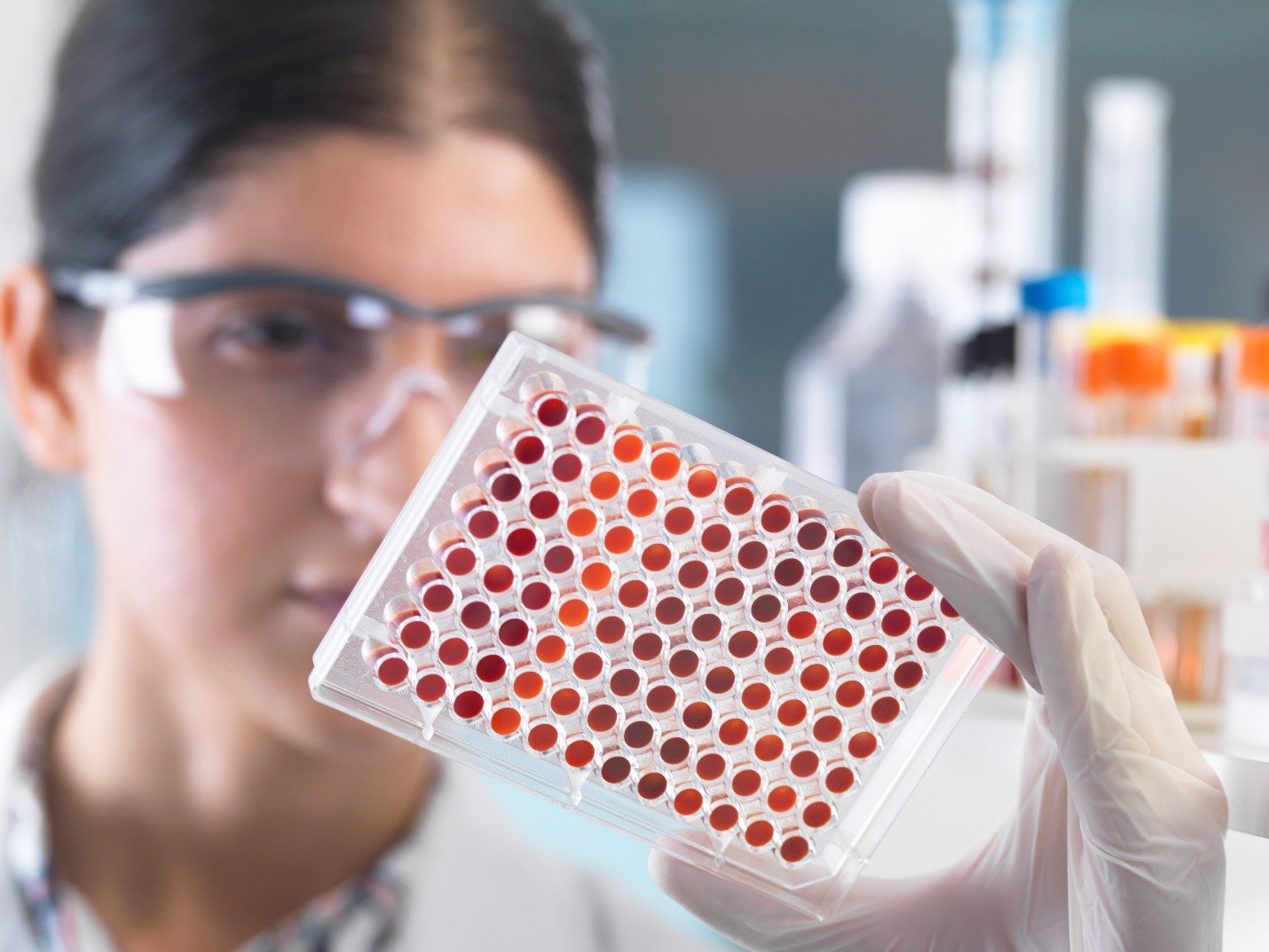
Cell viability assays have been an essential part of scientific research for decades, especially in fields like drug discovery, toxicology, cancer research, and stem cell biology. With the growing complexity of cellular models and the increasing need for precise data, researchers have developed and adopted more advanced techniques to assess cell viability. These assays provide valuable insights into the health and function of cells under different experimental conditions. In recent years, advancements in technology, reagents, and assay methods have revolutionized the way cell viability is measured. In this blog, we explore the latest developments in cell viability assays and their growing role in modern research.
What is Cell Viability?
Cell viability refers to the ability of cells to remain alive, function normally, and proliferate. In biological research, cell viability is a fundamental parameter that reflects cellular health and is an indicator of how cells respond to various treatments, environmental changes, or genetic manipulations. Cell viability assays enable researchers to assess a range of biological phenomena, including apoptosis (programmed cell death), necrosis (cell death due to injury), and cell proliferation.
These assays are crucial in various research fields, including:
- Drug Discovery: To evaluate the cytotoxicity or efficacy of new compounds.
- Cancer Research: To study tumor cell survival in response to therapies.
- Stem Cell Research: To assess the quality and functionality of stem cells.
- Toxicology Studies: To evaluate the impact of environmental or chemical toxins.
Modern Approaches to Cell Viability Assays
Recent advancements have focused on improving the sensitivity, versatility, and accuracy of cell viability assays. Below are some of the most cutting-edge methods used in research today:
1. Fluorescent and Luminescent Viability Assays
Fluorescent and luminescent assays have gained popularity due to their high sensitivity and ability to monitor live cells continuously, allowing researchers to obtain real-time data. These assays rely on the detection of cellular processes that indicate viability, such as metabolic activity or membrane integrity.
2. Resazurin (Alamar Blue) Assay
Resazurin, a non-toxic compound, is reduced to resorufin by metabolically active cells, emitting fluorescence. This assay is widely used in high-throughput screening due to its sensitivity and non-toxic nature. Cepham Life Sciences offers Alamar Blue https://www.cephamls.com/alamarblue-cell-viability-assay-reagent/ with high purity and quality, providing researchers with a valuable tool for quantifying cell viability with high sensitivity and reproducibility.
- Recent Advancements: The development of automated systems for real-time monitoring of resazurin fluorescence has made this assay more efficient, particularly in drug discovery and cell-based screening assays.
1. ATP- Luminescent Cell Viability Assay
This assay measures ATP levels, which correlate with viable cell numbers. ATP is an essential energy molecule in living cells, and its presence or absence indicates cell viability.
- Recent Advancements: The incorporation of enhanced luciferase enzymes and improvements in reagent formulation have significantly increased the sensitivity of the assay, allowing for detection of low numbers of viable cells.
1. Calcein-AM/Propidium Iodide (PI) Dual Staining
This technique uses two fluorescent dyes to assess cell viability. Calcein-AM stains live cells green due to its ability to enter intact cell membranes, whereas Propidium Iodide stains dead cells red due to membrane permeability changes in dying cells.
- Recent Advancements: Dual-fluorescence techniques have been enhanced by the development of improved fluorophores, enabling researchers to study multiple cell populations simultaneously, including those with different viability statuses.
2. High-Content Screening (HCS) for Cell Viability
High-content screening (HCS) involves using automated microscopes to analyze multiple cellular parameters, including viability, proliferation, morphology, and apoptosis. This method allows for the simultaneous measurement of different viability markers at a cellular level, providing a more holistic view of cell health.
- Recent Advancements: With advances in image analysis software and machine learning algorithms, HCS platforms now offer higher throughput and more precise data. Researchers can analyze cellular responses to a wide variety of treatments, from drug candidates to gene editing tools.
HCS enables the identification of subtle changes in cell morphology or behavior that could go unnoticed with simpler assays, making it a powerful tool for studying complex cellular responses, such as differentiation and stress.
3. Mitochondrial Membrane Potential Assays
Mitochondria play a crucial role in cell viability by maintaining cellular energy production and regulating apoptosis. Disruption of mitochondrial membrane potential (ΔΨm) is one of the earliest indicators of cell death, particularly in apoptosis and necrosis.
1. JC-1 Assay
JC-1 is a fluorescent dye that accumulates in mitochondria in a potential-dependent manner. In healthy cells, JC-1 forms aggregates and emits red fluorescence. In cells with disrupted mitochondrial potential, JC-1 remains in its monomeric form and emits green fluorescence.
- Recent Advancements: The development of new mitochondrial dyes with improved sensitivity has allowed for better detection of mitochondrial dysfunction in real-time, even in challenging models such as primary cells or tissues.
2. TMRE (Tetramethylrhodamine, Ethyl Ester) Assay
TMRE is a dye that accumulates in mitochondria based on membrane potential. A decrease in TMRE fluorescence correlates with a loss of mitochondrial function, which is an early marker of cell death.
- Recent Advancements: Newer TMRE formulations with better specificity and less toxicity have made this assay more suitable for high-throughput studies, enabling continuous monitoring of mitochondrial health in various cell types.
4. Flow Cytometry-Based Viability Assays
Flow cytometry has long been used to analyze cell populations, and when combined with viability assays, it provides a highly precise method for assessing cell viability at the single-cell level.
1. Annexin V/PI Assay
This flow cytometry assay uses Annexin V to detect phosphatidylserine exposure, a hallmark of early apoptosis, and Propidium Iodide (PI) to detect late apoptotic or necrotic cells. By combining these two markers, the assay can differentiate between viable, early apoptotic, late apoptotic, and necrotic cells.
- Recent Advancements: The development of more specific, fluorescently labeled Annexin V conjugates, along with improvements in flow cytometry instrumentation, has allowed researchers to study cell viability with higher precision and in more complex experimental setups.
2. 7-AAD (7-Aminoactinomycin D) Assay
7-AAD is a fluorescent dye that only enters cells with compromised membranes (dead cells), making it useful for determining the number of dead cells in a population. It is often used in combination with other markers to study cell viability in more complex experiments.
- Recent Advancements: The use of advanced cytometers with multi-parameter detection has allowed for more comprehensive analysis of cell viability in heterogeneous cell populations, enabling more detailed insights into cellular responses to stimuli.
5. Caspase Activity Assays
Caspases are enzymes that play a key role in the apoptotic process. Measuring caspase activity is a reliable way to assess apoptosis, a form of programmed cell death. Caspase-specific substrates are often used to monitor these enzymes’ activation.
Caspase-3/7 Assay
Caspase-3 and caspase-7 are activated during the execution phase of apoptosis. Fluorometric or colorimetric substrates are used to measure the activation of these caspases, providing a sensitive indicator of apoptotic cell death.
- Recent Advancements: New caspase inhibitors and detection reagents with improved specificity and lower background signals have allowed for more accurate quantification of apoptosis in complex cell populations and in vivo models.
6. Organoid Viability Assays
Organoids are three-dimensional cell cultures that mimic the structure and function of real tissues, offering a more physiologically relevant system for studying cellular responses. Viability assays in organoids are becoming increasingly important as researchers move toward more complex in vitro models.
- Recent Advancements: Advanced imaging techniques combined with viability assays like MTT or live/dead staining are now used to monitor organoid health and response to treatments. Real-time monitoring technologies have also been integrated, allowing for the assessment of cell viability within organoids over extended periods.
Conclusion
The field of cell viability assays has evolved significantly in recent years, driven by the demand for more sensitive, versatile, and non-toxic methods. The latest advancements allow researchers to study cell health with greater precision and in a wider array of experimental systems, from simple cell cultures to complex 3D models and animal tissues. With innovations in fluorescence, high-content imaging, flow cytometry, and organoid models, modern assays have provided invaluable tools to better understand cellular responses to various stimuli, including drugs, toxins, and genetic modifications.
Choosing the appropriate assay depends on the experimental context, the type of cells being studied, and the specific research question. However, the recent innovations in cell viability assays have opened new avenues for studying the intricacies of cellular health, making it an exciting time for researchers in cell biology and related fields.