


Navigating the Lab: Understanding Common Hazards

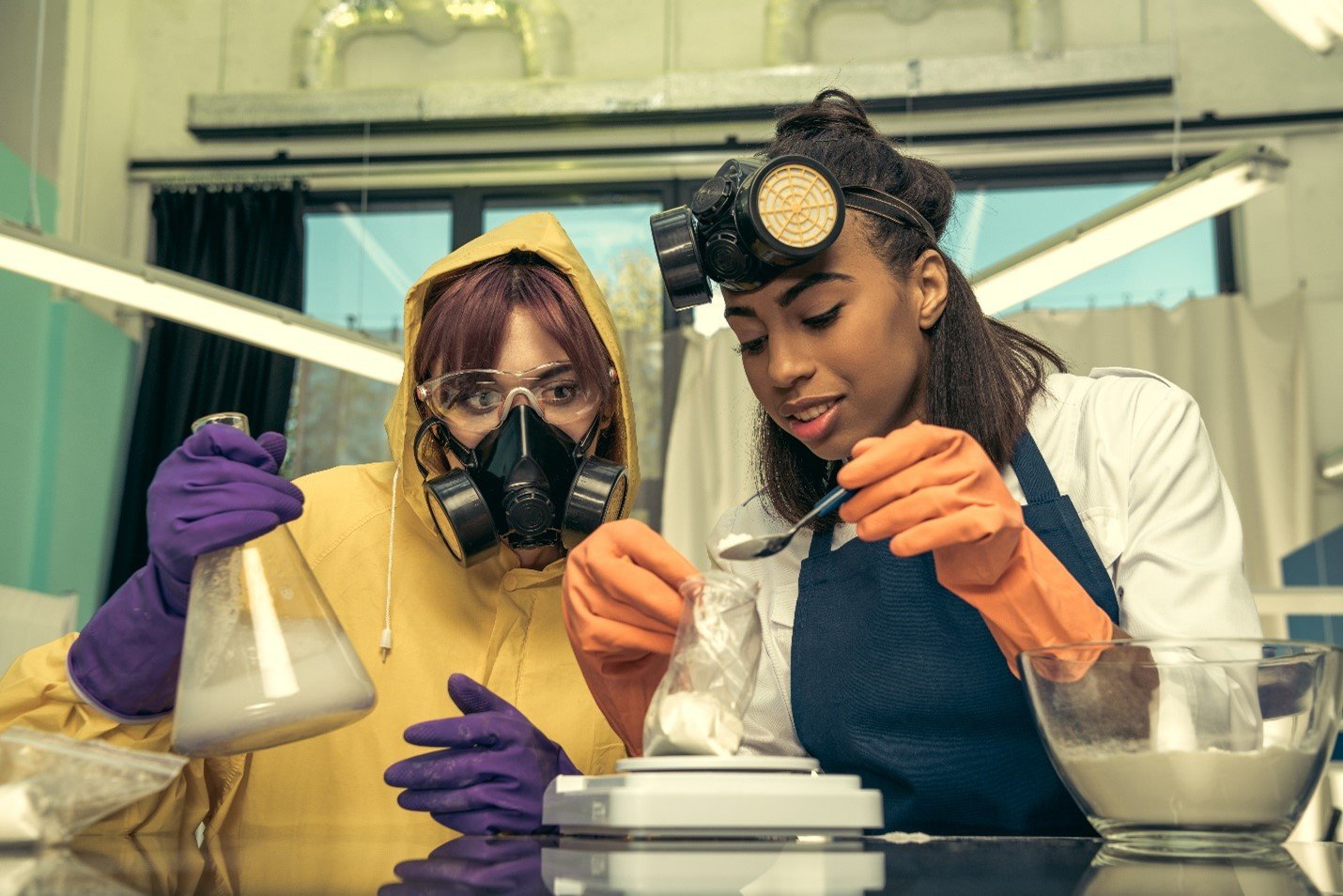
Laboratories are critical spaces for research, innovation, and education. Whether you’re conducting experiments in a high school chemistry class, a university research lab, or a professional setting, maintaining safety in the lab is essential. Proper lab safety protocols help prevent accidents, injuries, and damage to valuable equipment, ensuring that research can proceed without unnecessary risks. This blog will explore some key aspects of lab safety, from understanding the risks to using personal protective equipment and following safety protocols.
The Importance of Laboratory Safety
Laboratory environments inherently involve a range of potential hazards. These can include chemical reactions, electrical equipment, high temperatures, biological materials, and mechanical dangers. Even seemingly innocuous materials can pose a risk if not handled correctly.
The primary goal of lab safety is to protect everyone in the lab—researchers, students, technicians, and visitors—while preventing harm to the environment. Accidents in the lab can result in severe injuries like chemical burns, fires, or exposure to toxic substances. Additionally, many of the chemicals and materials used in labs can have lasting environmental effects if spilled or improperly disposed of.
Lab safety involves not only following regulations but also fostering a culture of responsibility where safety is prioritized at all times. Regular safety training, updated knowledge of hazardous materials, and clear emergency procedures all contribute to a safe working environment.
Common Laboratory Hazards
Understanding the various types of hazards, you may encounter in a lab is crucial to maintaining a safe environment. Some of the most common risks include:
- Chemical Hazards: Many labs work with hazardous chemicals that can be toxic, flammable, or corrosive. These chemicals may cause burns, respiratory problems, or even explosions if mishandled.
- Biological Hazards: In biology or medical labs, researchers may handle infectious agents, biological toxins, or genetically modified organisms (GMOs), which could present risks if proper safety measures aren’t followed.
- Physical Hazards: Laboratories are filled with equipment that can be dangerous if not used properly. Glassware, hot surfaces, high-voltage equipment, and machinery are common sources of injury.
- Ergonomic Hazards: Prolonged periods spent working in awkward postures, lifting heavy objects, or performing repetitive tasks can result in musculoskeletal injuries.
- Radiological Hazards: Some labs, particularly in nuclear or medical research, may involve the use of radioactive materials, which require strict safety precautions.
By being aware of the potential hazards, lab workers can take appropriate precautions to minimize the risks.
Key Lab Safety Protocols
1. Personal Protective Equipment (PPE)
The foundation of laboratory safety is ensuring that everyone in the lab is wearing appropriate personal protective equipment (PPE). PPE serves as the first line of defense against exposure to hazardous materials. Some essential PPE items include:
- Lab Coats: A lab coat provides a protective barrier against chemical spills, splashes, and heat. It should be worn at all times in the laboratory.
- Gloves: Gloves are essential when handling chemicals, biological materials, or any substance that could harm the skin. Different types of gloves are designed for various chemicals, and lab workers should select the appropriate ones based on the materials they are working with.
- Safety Goggles/Face Shields: Eye protection is critical when working with chemicals, heat sources, or machinery that could cause flying debris. Safety goggles provide protection against chemical splashes, while face shields offer full facial protection.
- Respirators: In cases where workers are exposed to fumes, vapors, or dust, respirators are necessary to protect against inhaling hazardous substances.
- Hearing Protection: In labs with loud machinery or equipment, hearing protection is required to prevent hearing damage over time.
2. Proper Handling and Storage of Chemicals
One of the most significant risks in the lab is working with chemicals. Proper handling and storage practices are essential for minimizing chemical hazards:
- Labeling: All chemicals should be clearly labeled with information about their contents, hazards, and storage requirements. Labels should include the chemical name, manufacturer, and any relevant hazard warnings.
- Segregation: Chemicals should be segregated based on their chemical properties. For example, corrosive chemicals should be stored separately from flammable materials, and chemicals that react violently should be kept apart.
- Material Safety Data Sheets (MSDS): These sheets provide important information about the properties of chemicals, including hazards, storage requirements, first aid measures, and disposal instructions. MSDS should be readily available in the lab.
- Proper Disposal: Never dispose of chemicals down the drain or in regular trash. Follow all local and institutional guidelines for the safe disposal of hazardous chemicals to prevent contamination of the environment.
4. Emergency Procedures
Despite best efforts, accidents can still occur in the laboratory. Knowing what to do in an emergency is crucial to minimize damage and harm. All lab workers should be familiar with the emergency procedures for the following:
- Fires: Every lab should be equipped with fire extinguishers, fire blankets, and emergency evacuation routes. In case of a fire, workers should use the correct fire extinguisher for the type of fire (Class A, B, C, etc.) and evacuate if necessary.
- Chemical Spills: A spill kit should be available in every lab. The type of spill kit required will depend on the chemicals used in the lab. Workers should know how to contain the spill, neutralize it if possible, and dispose of it safely.
- Eye Wash Stations and Safety Showers: These stations are essential for flushing chemicals or biological agents from the eyes or skin. Lab workers should know where these stations are located and how to use them correctly.
- First Aid: All lab workers should receive basic first aid training. In addition, there should be a first aid kit available in the lab at all times, stocked with bandages, antiseptics, burn cream, and other essential supplies.
- Incident Reporting: Any accident, injury, or near miss should be reported immediately. This helps with creating safer environments and ensures that appropriate corrective actions are taken.
4. Training and Documentation
Lab safety isn’t a one-time event—it’s a continuous practice. Regular training ensures that workers are up to date with the latest safety protocols and any changes in regulations or best practices. Some institutions may offer specialized training sessions based on the type of research being conducted, whether it’s chemical safety, biological safety, or equipment-specific training.
Moreover, safety documentation should always be maintained. This includes:
- Safety Procedures: Ensure that standard operating procedures (SOPs) are available for each experiment or piece of equipment.
- Safety Audits: Periodic safety audits should be conducted to assess the lab’s safety culture and identify areas that need improvement.
- Incident Logs: Keep a record of all accidents and incidents, even minor ones. This helps with identifying patterns and preventing future occurrences.
Creating a Safety Culture
In the end, the key to a safe laboratory is fostering a culture where everyone is responsible for safety. This involves continuous education, clear communication, and a commitment to making safety a priority in every task. A strong safety culture encourages workers to speak up about unsafe practices, report hazards, and participate in safety training.
While safety measures can be overwhelming at first, they become second nature with consistent practice and commitment. By embracing a safety-first mentality, lab workers can minimize risks and maximize the success of their research.