


Tips and Tricks for Successful Protein Purification in the Lab: Unlocking the Secrets to High-Yield, High-Quality Proteins

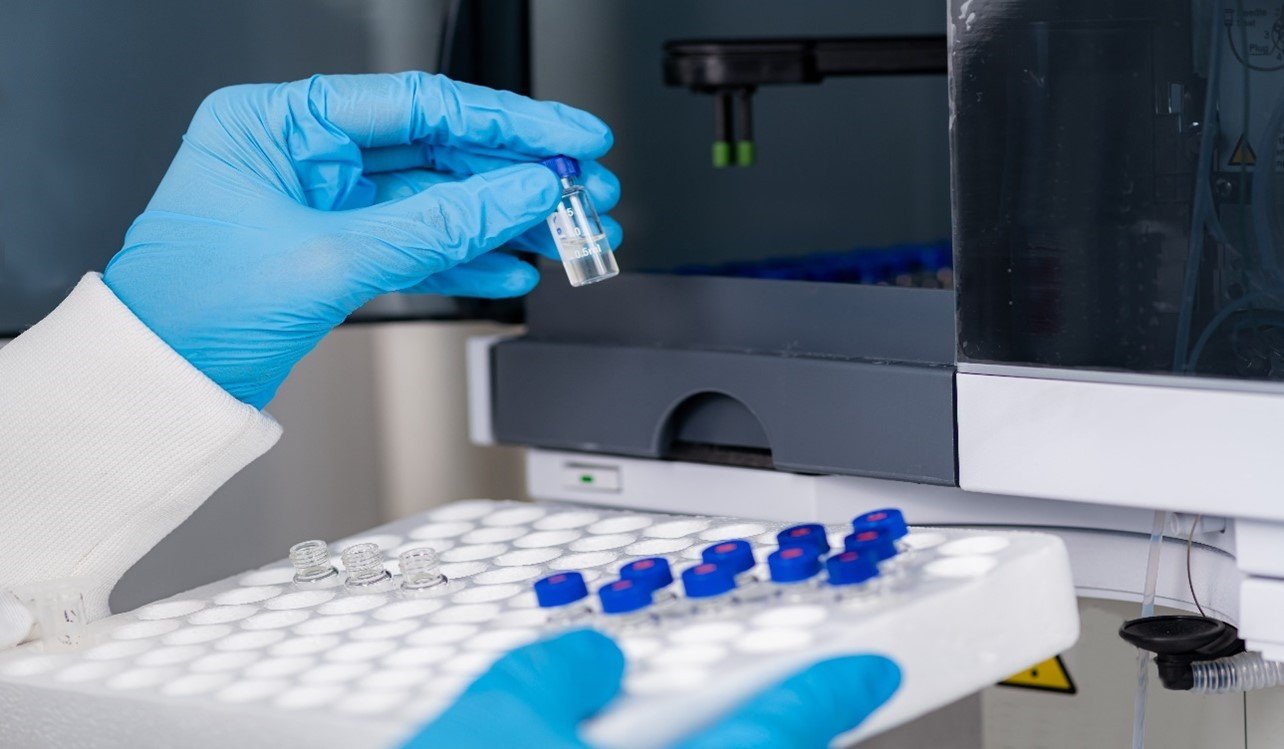
Protein purification is the backbone of countless research projects, from structural biology to drug development. Whether you’re isolating a recombinant protein for characterization or investigating protein function, successful protein purification can be the difference between a breakthrough and frustration in the lab. But with a multitude of purification methods available, it’s easy to feel overwhelmed. Fear not! In this blog, we’ll share some invaluable tips and tricks to streamline your protein purification process and help you achieve high-yield, high-quality protein samples that you can trust for your experiments.
1. Start with a Good Expression System
The first step to successful protein purification starts before the purification process itself: the expression system. Choosing the right host organism is crucial. If you’re expressing recombinant proteins, here’s a quick guide:
- E. coli: The go-to for quick, high-yield expression of simple, soluble proteins. However, inclusion bodies can form, which will require additional steps to refold the protein.
- Yeast: Ideal for proteins requiring post-translational modifications. It’s a great alternative for membrane proteins but can sometimes be challenging in terms of yields.
- Mammalian Cells: If you’re after a protein with complex modifications (like glycosylation), this is your best bet. However, mammalian expression systems can be slow and expensive.
- Insect Cells: Best for proteins that require post-translational modifications but are more difficult to express in E. coli.
2. Optimize Your Lysis Buffer Early On
Proper lysis is critical for successful protein extraction. The wrong buffer can cause proteins to degrade, aggregate, or become insoluble. A few tricks to optimize your lysis buffer:
- Choose the right pH: Make sure the buffer’s pH matches your protein’s optimal stability range. Use protease inhibitors to prevent degradation during lysis.
- Salt concentration matters: Include salt to stabilize protein structures but avoid excessive salt that could lead to aggregation.
- Detergents: If working with membrane proteins, detergents like Triton X-100 or NP-40 are essential. Choose mild detergents to avoid denaturation but strong enough to break membranes.
3. Work Quickly and Keep It Cool
Proteins are delicate, and their stability can degrade quickly if the process isn’t performed efficiently. Keep the following tips in mind:
- Temperature: Always perform the purification process at 4°C to minimize protein degradation. Ice-cold buffers are a must.
- Minimize Exposure to Air: Oxygen can cause oxidation, so minimize the exposure of your protein to air, especially during the lysis step.
4. Choose the Right Chromatography Method
Chromatography is your best friend in the purification process. Depending on the properties of your target protein, you may need to utilize a few different types:
- Affinity Chromatography: This is often the first and easiest step, using a tag (like His-tag) to isolate your protein. By binding your protein to a column with an affinity for the tag, you can elute it efficiently.
- Ion Exchange Chromatography: Use this if your protein has distinct charge properties. It works well for separating proteins based on their net charge.
- Size-Exclusion Chromatography: Perfect for removing aggregates and other contaminating proteins based on size.
- Hydrophobic Interaction Chromatography: If your protein has hydrophobic regions, this method helps purify proteins based on their hydrophobicity.
5. Monitor Protein Purity Throughout the Process
How do you know if your protein is pure? It’s essential to monitor purity at every step:
- SDS-PAGE: This is the go-to method to assess the purity of your protein. Run an SDS-PAGE gel after each chromatography step to track the presence of contaminating bands.
- Western Blot: If you’re using a tagged protein, a Western blot can confirm the presence of your protein in each fraction.
- UV-Vis Spectroscopy: Measure the absorbance of the elution fractions at 280 nm to estimate the protein concentration.
6. Elution Strategy – Tailor to Your Protein
When it comes time to elute your protein, you have options:
- For affinity chromatography, use an elution buffer that includes a competitive ligand (like imidazole for His-tags) to disrupt the interaction between the tag and the resin.
- For ion exchange, gradient elution (increasing salt concentration) helps gently elute your protein without denaturing it.
- For size-exclusion chromatography, elute with a buffer that keeps your protein in its native form.
7.Protein Stabilization is Key
After purification, your protein is at its most vulnerable, so take steps to stabilize it:
- Concentrate your protein: Use centrifugal filters to concentrate your protein solution without causing it to aggregate.
- Add stabilizers: Glycerol, detergents, or even salt can help stabilize proteins in storage.
- Store at -80°C: For long-term storage, freeze your purified protein in aliquots with glycerol or other cryoprotectants. Avoid freeze-thaw cycles to maintain protein stability.
8. Don’t Forget the Final Quality Check
Before you dive into your experiments, always perform a final check on the purity and functionality of your protein:
- Activity Assays: Ensure that the protein is still active after purification, especially if you’re working with enzymes.
- Mass Spectrometry: This will confirm your protein’s molecular weight and the correct sequence.
- Structural Integrity: Techniques like circular dichroism (CD) or NMR can help assess the structural integrity of your protein.
9. Troubleshooting Common Problems
Protein purification is rarely smooth sailing, so here are solutions to common issues:
- Low Yield: Check your expression system, optimize your lysis buffer, and ensure you’re using the correct chromatographic conditions.
- Contaminants: Try more selective chromatography methods or consider additional purification steps, like reverse-phase chromatography.
- Protein Aggregation: Use detergents or additives that help solubilize aggregates or try lower salt concentrations during the purification process.
10. Keep a Detailed Lab Notebook
This might seem like a small detail, but keeping track of every step in your purification process is crucial. Documenting buffer compositions, chromatography conditions, protein concentrations, and troubleshooting steps will help you fine-tune your process over time and allow you to replicate your success.
Conclusion:
Protein purification may seem like a daunting task, but with the right approach and attention to detail, it can become one of the most rewarding aspects of your research. By optimizing every step from expression to final storage, you’ll increase your chances of obtaining high-quality, functional proteins. Remember, every experiment is an opportunity to learn and improve. So, stay patient, keep tweaking your methods, and enjoy the thrill of seeing your purified protein ready for the next big discovery!