


The Art of Western Blot Stripping: A Comprehensive Guide

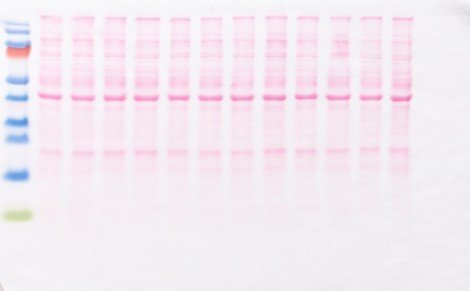
Western blotting is a staple technique in molecular biology used to detect specific proteins within complex biological samples. The process involves separating proteins by gel electrophoresis, transferring them to a membrane, and probing with specific antibodies to visualize the target protein. However, sometimes researchers need to remove the antibodies from the membrane, either to reprobe with different antibodies or to troubleshoot issues like high background or non-specific binding. This process is known as Western blot stripping.
In this blog, we’ll dive deep into the concept of Western blot stripping, explaining why and when it’s necessary, the science behind it, the steps involved, and troubleshooting tips to help you get the best results from your experiment.
What is Western Blot Stripping?
Western blot stripping refers to the process of removing antibodies from a membrane after detection, allowing researchers to re-probe the same blot with a new antibody for a different target protein. Stripping can be particularly useful when you want to detect multiple proteins in a single sample, when your initial probing didn’t give clean results, or when you’re simply reanalyzing a blot for additional data.
The process involves disrupting the binding between the membrane and the antibodies using a special stripping buffer. After the antibodies are removed, the membrane can be blocked again and probed with a new antibody for a different target protein. This technique is cost-effective because it avoids the need to run new gels or transfer fresh samples, making it a valuable tool in many research scenarios.
Why Should You Strip a Western Blot?
There are several reasons why stripping a Western blot might be necessary:
- Multi-Target Analysis: You may want to probe for multiple proteins in the same sample, which can be a time-saver compared to running separate blots for each target.
- Troubleshooting: If you’re not getting the expected results or if the blot has high background or non-specific binding, stripping and re-blotting with optimized conditions can sometimes improve the outcome.
- Reproducibility: Stripping allows you to reproduce results under different conditions or using different antibody sources, giving you the flexibility to confirm findings or test new hypotheses.
- Reusing Expensive Membranes: Stripping a membrane saves both time and money, especially when working with expensive PVDF or nitrocellulose membranes.
The Science Behind Western Blot Stripping
To understand how stripping works, it’s essential to know the key interactions involved in a Western blot:
- Antibody-Antigen Binding: During a Western blot, the primary antibody binds to the specific protein of interest, forming an antigen-antibody complex. A secondary antibody, conjugated with an enzyme (like horseradish peroxidase, HRP), binds to the primary antibody, facilitating detection via chemiluminescence or colorimetric methods.
- Stripping: The goal of stripping is to break the bonds between the antibody and the antigen on the membrane without damaging the protein itself. This is done using a stripping buffer, which typically contains detergents and reducing agents. The detergent (like SDS) helps to break down the protein-antibody complexes, while the reducing agent (like β-mercaptoethanol or dithiothreitol) helps to cleave any disulfide bonds between the antibody and protein.
The challenge with stripping is ensuring that the proteins on the membrane remain intact while the antibodies are successfully removed. Therefore, the choice of stripping solution and incubation time is crucial to avoid damaging the membrane or degrading the proteins.
Step-by-Step Guide to Stripping a Western Blot
While the exact stripping protocol may vary depending on your stripping buffer and specific conditions, here’s a general outline of the process:
Step 1: Prepare the Stripping Solution
Stripping buffers are commercially available, or you can make your own. Commonly used solutions include a combination of SDS (Sodium Dodecyl Sulfate), Tris (to maintain pH), and reducing agents like β-mercaptoethanol or DTT. The buffer’s composition and strength will vary depending on the membrane type and the antibodies used.
Step 2: Incubate the Membrane in the Stripping Solution
Once you’ve prepared the stripping buffer, immerse the membrane into the solution. Incubate at room temperature or at 37°C for 15 to 30 minutes. Gently agitate the membrane to ensure even exposure to the stripping buffer. If the membrane is particularly resistant, you may need to extend the incubation time but be cautious not to over-strip and damage the proteins.
Step 3: Wash the Membrane
After the incubation period, remove the membrane from the stripping solution and wash it thoroughly with wash buffer (PBS-T or TBST) to remove residual stripping solution. This step is crucial to avoid interference with subsequent antibody binding. Typically, you’ll wash the membrane 3–4 times, with each wash lasting about 5 minutes.
Step 4: Re-Block the Membrane
After washing, the membrane is ready to be re-blocked. Blocking is essential to prevent non-specific binding of the new primary and secondary antibodies. Use your standard blocking solution (e.g., 5% non-fat milk or BSA), and incubate the membrane for 1 hour at room temperature with gentle agitation.
Step 5: Re-Probe the Membrane
Once blocking is complete, the membrane is ready for re-probing. Apply your new primary antibody, followed by the appropriate secondary antibody, just like in the initial Western blot procedure. Follow your usual detection method (chemiluminescence or colorimetric) to visualize the signal.
Tips for Successful Stripping
- Choose the Right Stripping Solution: Some stripping buffers are harsher than others and may cause damage to the membrane or proteins. If possible, test the stripping solution on a test blot before using it for critical experiments.
- Limit Stripping Time: Over-stripping can damage proteins, reducing your chances of successful re-probing. Stick to the recommended incubation times, and monitor the process carefully.
- Re-Check Protein Integrity: If you plan to probe for the same protein after stripping, confirm that the protein is still detectable. You can do this by testing with an antibody known to bind to a housekeeping protein, like β-actin, to ensure the protein hasn’t been degraded during the stripping process.
- Reuse Membranes Carefully: Repeated stripping can lead to degradation of membrane quality over time. If the membrane begins to lose its integrity or binding capacity after several stripping cycles, it may be best to start with a fresh membrane.
- Wash Thoroughly: After stripping and before re-probing, ensure thorough washing of the membrane. Any residual stripping buffer can interfere with antibody binding and result in high background noise.
Troubleshooting Common Stripping Issues
While stripping and re-blotting can be effective, there are a few common challenges that researchers face. Let’s look at some potential issues and how to address them:
- Weak or No Signal After Stripping: If you’re not seeing the expected signal after stripping, it could be due to over-stripping, which may damage the proteins or the membrane. Try reducing the stripping time or testing a less aggressive stripping solution.
- High Background: High background can result from incomplete blocking, insufficient washing, or residual stripping solution. Be sure to wash thoroughly after stripping and increase the blocking time if necessary. It may also help to optimize the secondary antibody concentration.
- Failure to Remove Antibodies: If the antibodies are not being completely removed, this can affect the quality of subsequent probings. In such cases, try using a different stripping solution, or repeat the stripping process for a longer time.
- Degradation of Proteins: In rare cases, certain proteins may be sensitive to stripping buffers. If your protein is degraded during stripping, consider using a milder stripping buffer or check if alternative techniques like immunoprecipitation might be more suitable.
Conclusion
Western blot stripping is a valuable technique for saving time, conserving resources, and troubleshooting problems in your experiments. Whether you’re trying to detect multiple proteins from the same sample, reanalyze a blot, or improve results from a previous experiment, stripping offers a practical solution. By following best practices, using the appropriate stripping buffer, and troubleshooting common issues, you can successfully strip and re-blot your Western blot to achieve high-quality, reproducible results.