


Cell Lysis Demystified: Key Factors to Optimize Your Results

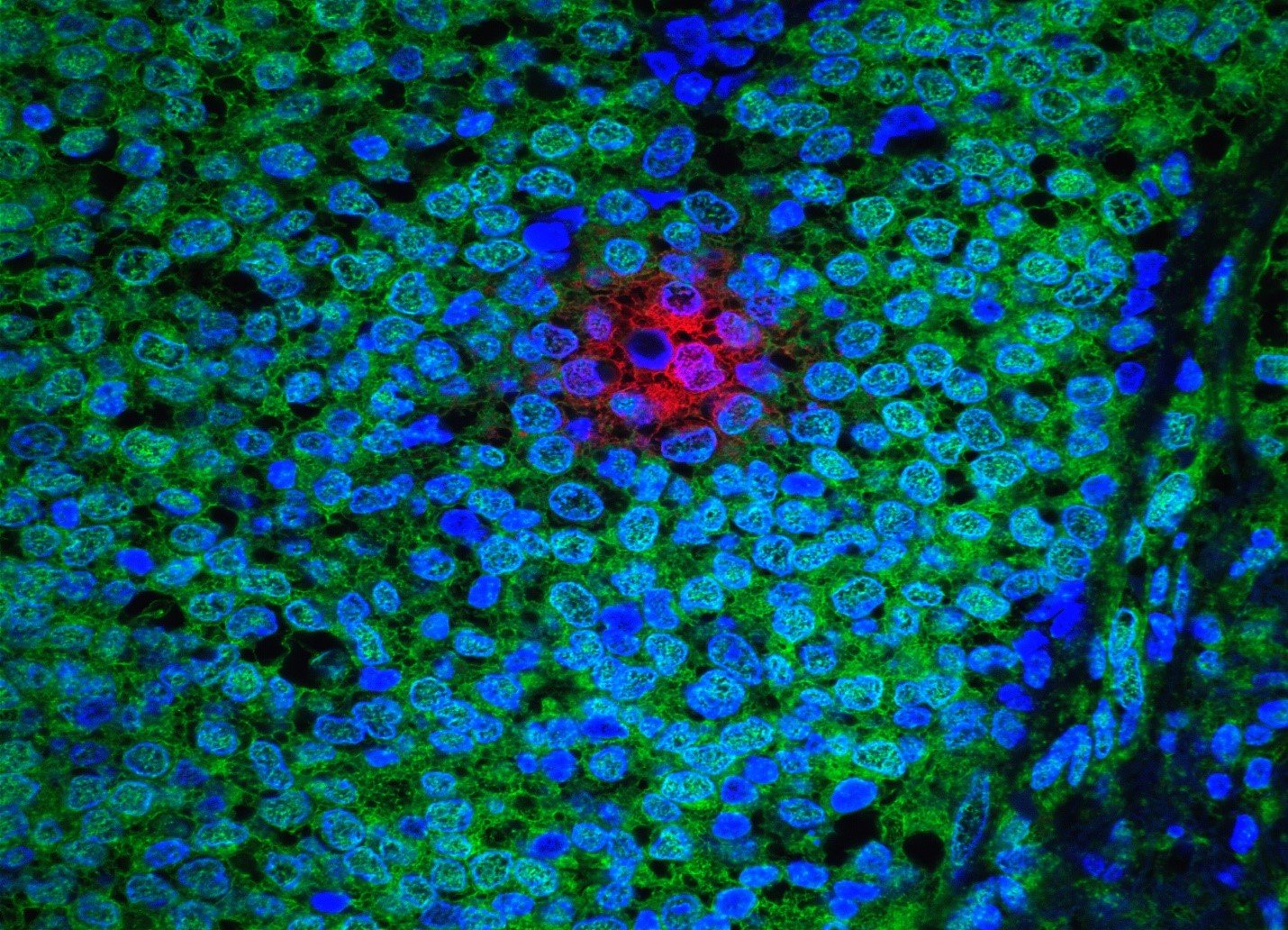
Cell lysis is a fundamental process in molecular biology, biochemistry, and biotechnology. It is essential for extracting cellular components such as proteins, nucleic acids, and organelles for further analysis and experimentation. Efficient cell lysis is crucial for obtaining high-quality and yield of target molecules. However, achieving optimal cell lysis can be challenging, as several factors influence its efficiency. In this blog, we will explore the key factors that affect the efficiency of cell lysis, and how researchers can optimize these factors to maximize their results.
1. Cell Type
Different types of cells have distinct structural properties, which can significantly impact their susceptibility to lysis. The composition and integrity of the cell membrane are primary determinants of how easily a cell can be lysed. For example:
- Bacterial Cells: Bacteria, especially gram-positive bacteria, have a thick peptidoglycan layer that can be difficult to break. Conversely, gram-negative bacteria have a more complex outer membrane, which also requires specialized lysis methods.
- Animal Cells: Animal cells, especially those from tissues, typically have a lipid bilayer membrane that is more fragile compared to bacterial cell walls. However, animal cells also contain a cytoskeleton, which may require specific approaches to efficiently lyse them.
- Fungal Cells: Fungal cell walls, made of chitin or glucans, are often tough and require mechanical disruption methods, such as bead milling or enzymatic treatment, for effective lysis.
2. Cell Wall Composition
As mentioned above, the presence and composition of a cell wall play a critical role in determining how difficult or easy it is to lyse a cell. In prokaryotic cells, the cell wall serves as a physical barrier that must be overcome for efficient lysis. For example:
- Peptidoglycan Layer in Bacteria: The thickness and crosslinking of the peptidoglycan layer can make bacterial lysis more difficult. Some bacterial species possess a thick layer of peptidoglycan, while others have a more permeable or thinner wall.
- Fungal Chitin: Fungal cell walls contain chitin, which is a highly stable polysaccharide. To disrupt these cells, researchers may need to use a combination of mechanical and chemical lysis methods.
- Plant Cell Walls: Plant cells have a rigid cell wall made of cellulose, lignin, and pectin. To break down these walls efficiently, researchers often use enzymes like cellulase or pectinase, or mechanical disruption.
3. Lysis Method
The method used to lyse cells plays a significant role in determining overall efficiency. Various physical, chemical, and enzymatic techniques can be used depending on the type of cells being lysed. Each method has its advantages and limitations:
- Mechanical Lysis: This includes methods like homogenization, bead beating, sonication, and freeze-thaw cycles. While these methods are effective for tough cells, they can also lead to the degradation of sensitive cellular components if not done carefully.
- Chemical Lysis: Chemical agents such as detergents (e.g., Triton X-100, SDS) or solvents (e.g., ethanol) can be used to disrupt the lipid bilayer of cell membranes. However, choosing the right detergent is critical, as it needs to solubilize the membrane without affecting the target biomolecules.
- Enzymatic Lysis: Enzymes like lysozyme (for bacterial cell walls) or cellulase (for plant cell walls) can break down the specific components of the cell wall or membrane, making them ideal for more selective lysis with fewer mechanical stresses.
- Osmotic Lysis: This process exploits osmotic pressure differences to cause cell rupture, usually by exposing cells to hypotonic solutions. It is often effective for bacterial and yeast cells but may not work well for animal cells.
4. Temperature
Temperature plays a critical role in the efficiency of cell lysis, and it can influence both the rate of lysis and the stability of cellular components. Typically:
- Cold Conditions: Cooling the lysis environment can help preserve sensitive biomolecules by reducing degradation and maintaining enzyme functionality. However, for some cells, low temperatures may inhibit effective lysis, particularly if enzymes need to be active to aid in breaking down cell walls or membranes.
- Heat: On the other hand, exposing cells to heat (such as through a heat shock or boiling) can promote the rupture of membranes by disrupting protein structures. But excessive heat may lead to protein denaturation and loss of functional integrity in the target molecules.
The optimal temperature often depends on the specific cells and biomolecules being targeted.
5. Cell Density
Cell density refers to the concentration of cells in a given volume, which can significantly impact lysis efficiency. High cell density can lead to inefficient lysis because the lysis agents may not adequately penetrate the dense cell suspension. Conversely, low cell density allows better penetration of lysis agents and more effective disruption of the cells. To optimize lysis, it is important to ensure that the cell density is appropriate for the chosen lysis method.
6. Buffer Composition and pH
The composition of the lysis buffer is another key factor in lysis efficiency. The buffer needs to maintain the stability of cellular components and provide an environment conducive to membrane disruption. Factors such as:
- Salt Concentration: The ionic strength of the buffer can affect the interaction between the cell membrane and the lysis agents. High salt concentrations may help in membrane disruption but may also lead to protein precipitation.
- pH: The pH of the buffer should be optimized for the specific cellular components being extracted. Extreme pH levels can disrupt cellular proteins and other biomolecules, leading to a loss of yield or functionality.
- Protease Inhibitors: Including protease inhibitors in the lysis buffer is crucial to prevent the degradation of proteins released during cell lysis.
7. Duration and Intensity of Lysis
The duration and intensity of the lysis process can also influence the efficiency. Extended lysis times may increase the yield but can also lead to the degradation of target molecules. On the other hand, short or mild lysis conditions may not break all cells open, leading to lower yields. For mechanical methods like bead beating, the intensity (speed) of the process must be carefully optimized to avoid excessive shear stress, which could damage sensitive biomolecules.
8. Cellular State
The physiological state of the cells before lysis is another important consideration. Cells that are in a log phase of growth are often more fragile and easier to lyse compared to stationary-phase cells. Additionally, cells in certain stress states (such as heat shock or nutrient deprivation) may have altered membrane properties, which can make lysis either more difficult or more efficient.
Conclusion
The efficiency of cell lysis depends on a delicate balance of various factors, including cell type, lysis method, temperature, buffer composition, and the state of the cells. By carefully considering these factors and optimizing them for specific applications, researchers can maximize the yield and quality of cellular extracts. Understanding the properties of the cells being studied and selecting the appropriate lysis technique is essential for achieving successful cell lysis and obtaining high-quality biomolecules for downstream applications.