


Choosing the Right Staining Method for Your Cells

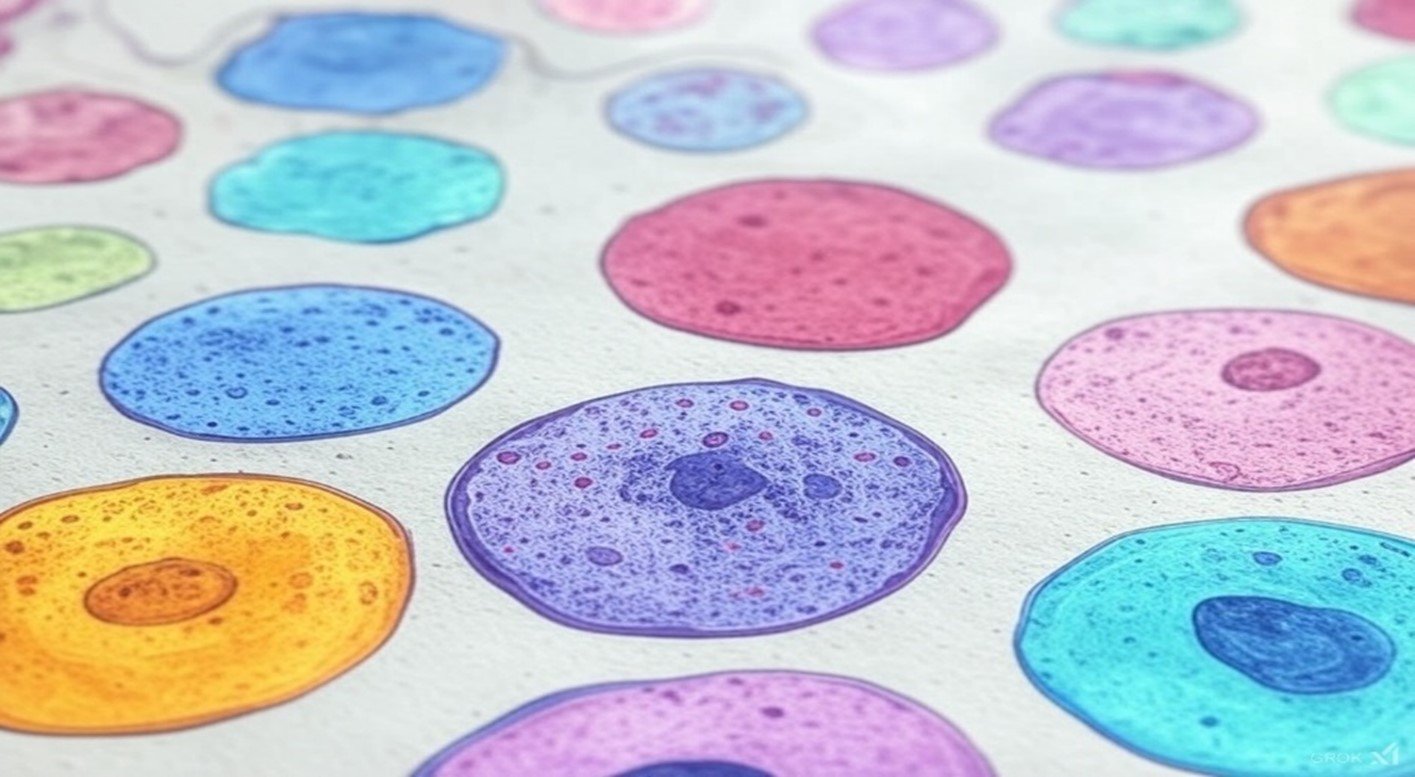
In the world of cell biology and microscopy, staining is one of the most essential techniques for visualizing cellular structures, components, and processes. The right staining method can provide powerful insights into your experiment, whether you are studying cell morphology, tracking protein localization, or examining gene expression. However, with so many staining methods available, selecting the most appropriate one for your cells can be a challenge. This guide will help you navigate the various options and select the best staining method for your research needs.
Understanding Your Goals
Before you even reach for a stain, consider:
- What are you trying to visualize? Do you need to see cell nuclei, cytoplasm, specific proteins, lipids, or extracellular components like collagen?
- What’s the context? Are you staining for routine examination, diagnosing a disease, or researching a specific cellular process?
- Sample type: Different staining methods are optimized for different cell or tissue types, such as animal vs. plant tissues, or fresh vs. fixed samples.
Common Staining Methods for Cells
Here are some of the most common and effective staining techniques:
- a) Dyes for Nucleic Acids
- DAPI (4’,6-diamidino-2-phenylindole): A fluorescent dye that binds to the minor groove of DNA. It is commonly used to stain the nuclei in fixed cells.
- Hoechst Stains: Similar to DAPI, these fluorescent dyes are used for nuclear labeling, often with live cells.
- Propidium Iodide (PI): Often used for staining dead cells since it cannot penetrate live cell membranes. It intercalates with DNA and emits red fluorescence when bound.
- b) Cytoskeletal Stains
- Phalloidin: A toxin that binds to actin filaments. It’s commonly used for labeling actin filaments in fixed cells under fluorescence microscopy.
- Tubulin Stains: Specific antibodies or dyes can label microtubules in the cytoskeleton. This is essential for studying mitosis, cell movement, and cell structure.
- c) Membrane Stains
- Nile Red: A fluorescent dye that stains lipid droplets and is used to examine lipid content.
- DiI, DiO: Lipophilic dyes that integrate into cell membranes and can be used to track membrane dynamics or cell-cell interactions.
- d) Organelle-Specific Stains
- MitoTracker: A fluorescent probe that stains mitochondria in live cells. Its intensity correlates with mitochondrial membrane potential, making it useful for studying mitochondrial health.
- LysoTracker: Used for staining lysosomes in live cells.
- ER-Tracker: Specifically targets the endoplasmic reticulum.
- e) General Stains for Cell Morphology
- Hematoxylin and Eosin (H&E): A standard stain for histology, where hematoxylin stains nuclei blue and eosin stains the cytoplasm and extracellular matrix pink.
- Crystal Violet: Often used for general staining of bacteria or cell cultures to visualize cells under light microscopy.
- f) Fluorescent Protein Tags
Fluorescent proteins like GFP (Green Fluorescent Protein) or mCherry can be genetically engineered into cells to label specific proteins or organelles in live cells, providing real-time imaging capabilities without the need for external dyes.
| Staining Method | Target Structure | Microscopy Type | Fluorescence Color | Key Usage |
|---|---|---|---|---|
| DAPI | Nucleus (DNA) | Fluorescence | Blue | Stains DNA in the nucleus; used for live and fixed cell studies |
| Hoechst | Nucleus (DNA) | Fluorescence | Blue | Similar to DAPI; used for nuclear visualization in live and fixed cells |
| Propidium Iodide | Nucleus (DNA) | Fluorescence | Red | Stains dead cells; binds to DNA; used in cell viability assays |
| Phalloidin | Actin Filaments | Fluorescence | Green | Stains actin filaments; used to visualize cytoskeleton structure |
| Tubulin Stains | Microtubules | Fluorescence | Green/Red | Stains microtubules; useful for studying cell division and structure |
| Nile Red | Lipids (Membranes) | Fluorescence | Yellow/Red | Stains lipid structures; useful for lipid content studies |
| DiI, DiO | Cell Membranes | Fluorescence | Green/Red | Lipophilic dyes used for membrane tracking and cell movement |
| MitoTracker | Mitochondria | Fluorescence | Green/Red | Stains mitochondria; useful for assessing mitochondrial health and function |
| LysoTracker | Lysosomes | Fluorescence | Green/Red | Labels lysosomes; used for organelle studies in live cells |
| ER-Tracker | Endoplasmic Reticulum | Fluorescence | Green/Red | Labels the endoplasmic reticulum in live and fixed cells |
| Hematoxylin & Eosin (H&E) | General Cell Morphology | Light Microscopy | N/A | Stains tissue sections; nuclei (blue) and cytoplasm (pink) |
| Crystal Violet | General Cell Morphology | Light Microscopy | Purple | Stains bacterial cells or general morphology; widely used in cultures |
4. Steps to Perform a Successful Staining Protocol
Once you’ve selected your staining method, the next step is to prepare and perform the staining. Here’s a general outline of the steps involved:
- Sample Preparation: This includes growing your cells, fixing them (if necessary), and possibly permeabilizing the cells to allow the dye to enter.
- Staining: Apply the stain or dye to your sample for the recommended amount of time. The dye concentration should be optimized based on the target structure.
- Washing: Remove excess stain to reduce background fluorescence or color.
- Mounting: Place your cells on a microscope slide and, if needed, apply mounting medium to preserve the sample.
- Imaging: Use the appropriate microscope to capture images based on your staining method. This might involve adjusting light levels, exposure times, and filter settings to maximize image clarity.
Factors to Consider
- Tissue Preparation:
- Fixation: What kind of fixative was used? Formalin-fixed tissues might not work well with some stains.
- Sectioning: Paraffin vs. frozen sections can influence stain choice due to tissue preservation and penetration.
- Compatibility:
- Ensure the stain is compatible with your sample. Some stains require specific pH or buffer conditions.
- Specificity vs. Simplicity:
- Simple stains like H&E are quick and easy but less specific. IHC offers specificity but requires more setup and optimization.
- Visualization Method:
- Light microscopy vs. fluorescence? Your microscope capabilities will dictate which stains are feasible.
- Time and Resources:
- Some stains are time-consuming or costly. Consider your lab’s resources and timelines.
Practical Steps to Choose Your Stain
- Define Your Objective: Clearly outline what you want to observe in your sample.
- Review Literature: Look at what stains have been used successfully for similar purposes in published research.
- Consult with Experts: Talk to experienced colleagues or pathologists for advice tailored to your specific scenario.
- Sample a Few Techniques: If resources allow, try out multiple stains on test samples to see which yields the best results.
- Optimization: Once you’ve narrowed it down, you might need to tweak protocols for concentration, incubation time, or buffer conditions.
- Quality Control: Always have positive and negative controls to ensure your staining is working as expected.
Common Pitfalls to Avoid
- Overstaining or Understaining: This can obscure details or miss the target altogether. Calibration is key.
- Non-specific Binding: In IHC, this can lead to false positives. Blocking steps are crucial.
- Artifact Creation: Be aware of how processing steps can introduce artifacts that mimic staining.
Conclusion
Choosing the right staining method is both an art and a science, requiring a balance of knowledge, technique, and sometimes a bit of trial and error. By understanding your goals, the properties of different stains, and the nuances of your sample, you’ll be better equipped to highlight the cellular details you’re interested in.