


Dry Ice Safety in the Lab: 10 Tips to Avoid Dry Ice Dangers

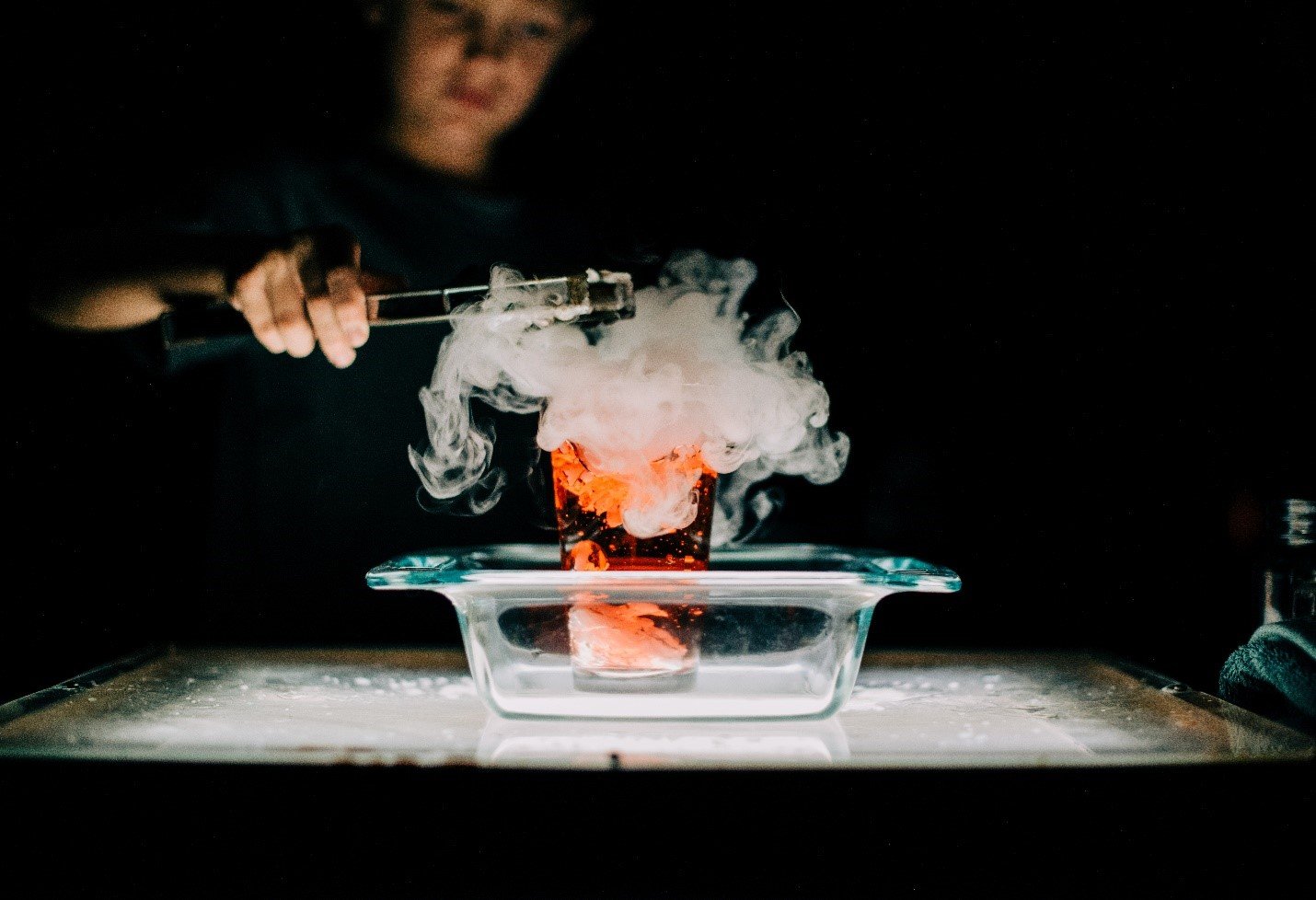
Dry ice is a solid carbon dioxide (CO₂), which is commonly used in laboratories for cooling, preservation, and transportation of temperature-sensitive biological materials. While it’s extremely useful, dry ice can also pose serious safety hazards if not handled properly. As a laboratory professional, understanding how to safely manage dry ice is essential to ensure a safe working environment for you and your colleagues. Below are 10 vital tips for working safely with dry ice in the lab.
1. Always Handle Dry Ice with Gloves
Dry ice is extremely cold, with a temperature of about -78.5°C (-109.3°F), and can cause severe frostbite if it comes into contact with your skin. Always use insulated gloves or tongs when handling dry ice to prevent injury. Never touch dry ice directly with bare hands.
2. Store Dry Ice in a Well-Ventilated Area
Dry ice sublimates directly from a solid to a gas, releasing carbon dioxide (CO₂) in the process. In confined or poorly ventilated areas, the concentration of CO₂ can increase, leading to a dangerous buildup of gas. Ensure that dry ice is stored in a well-ventilated space to prevent asphyxiation.
3. Use Appropriate Containers
Dry ice should never be stored in airtight containers like sealed plastic bottles or metal boxes. As it sublimates, CO₂ gas builds up inside, and this can lead to an explosive situation. Instead, store dry ice in insulated containers with vents that allow gas to escape safely.
4. Never Inhale the Gas
Carbon dioxide gas, which is released as dry ice sublimates, is heavier than air and can displace oxygen in an enclosed space. High concentrations of CO₂ can lead to dizziness, suffocation, or even death in extreme cases. Always ensure adequate ventilation and avoid inhaling dry ice fumes.
5. Use Dry Ice in a Well-Ventilated Fume Hood
If you’re using dry ice for experiments that may produce CO₂, such as in a closed reaction system, perform the procedure inside a fume hood. This ensures that the gas is safely vented and that any buildup of CO₂ does not pose a risk to your health.
6. Transport Dry Ice with Caution
When transporting dry ice within the lab, use a well-ventilated container. Do not seal it tightly, as the gas buildup could cause the container to rupture. Additionally, always transport dry ice in a cart or container designed specifically for this purpose, keeping it upright and steady to avoid spills.
7. Monitor for Signs of CO₂ Exposure
In case of accidental CO₂ exposure, be aware of the symptoms of hypoxia (low oxygen levels) or CO₂ poisoning, such as dizziness, difficulty breathing, confusion, or fainting. If these symptoms occur, immediately move to an area with fresh air and seek medical attention if necessary.
8. Ensure Proper Disposal of Dry Ice
Never dispose of dry ice by simply tossing it into a trash can or down a drain. It should be allowed to sublimate in a well-ventilated area. If large quantities of dry ice need to be disposed of, consult your institution’s waste disposal guidelines for proper procedures.
9. Educate All Lab Personnel
Ensure that everyone in the lab is properly trained on dry ice safety, including recognizing the risks of CO₂ buildup and the importance of using proper personal protective equipment (PPE). Regular training helps prevent accidents and ensures everyone understands the protocols for safe dry ice handling.
10. Keep Dry Ice Away from Children and Pets
Dry ice can be dangerous if ingested or touched by children or pets. Always store dry ice out of reach of children and animals and ensure that it is used only by trained professionals. If any person or animal comes into contact with dry ice, seek medical attention immediately.
Reference:
- Occupational Safety and Health Administration (OSHA) – Dry Ice
OSHA provides safety guidelines for working with dry ice, including information on proper ventilation and storage practices.
Link: https://www.osha.gov - Centers for Disease Control and Prevention (CDC) – Carbon Dioxide
The CDC offers detailed information on the health risks associated with carbon dioxide exposure, including asphyxiation and CO₂ poisoning.
Link: https://www.cdc.gov - National Institute for Occupational Safety and Health (NIOSH) – Carbon Dioxide (CO₂)
NIOSH provides guidelines for exposure limits and safety recommendations when working with CO₂ in laboratory settings.
Link: https://www.cdc.gov/niosh/topics/co2/default.html - Fisher Scientific – Dry Ice Safety
Fisher Scientific offers a comprehensive guide to handling, storing, and disposing of dry ice safely in laboratory environments.
Link: https://www.fishersci.com/shop/products/dry-ice-safety-guide-1 - Lab Manager – Dry Ice Safety Protocols
Lab Manager outlines essential safety protocols for using dry ice in research labs, focusing on best practices for handling and minimizing risks.
Link: https://www.labmanager.com/lab-health-and-safety/dry-ice-safety-importance-and-tips-29073 - The University of California, Berkeley – Dry Ice Safety
UC Berkeley provides detailed instructions for working with dry ice safely, including personal protective equipment (PPE) and CO₂ monitoring.
Link: https://ehs.berkeley.edu/dry-ice-safety